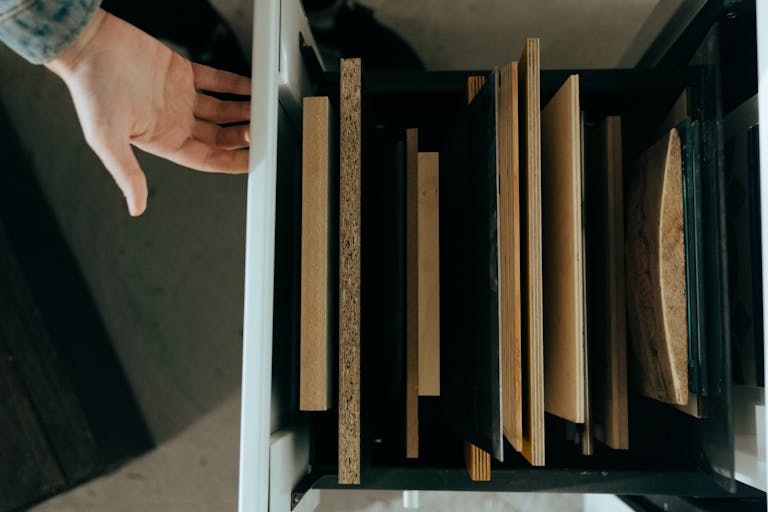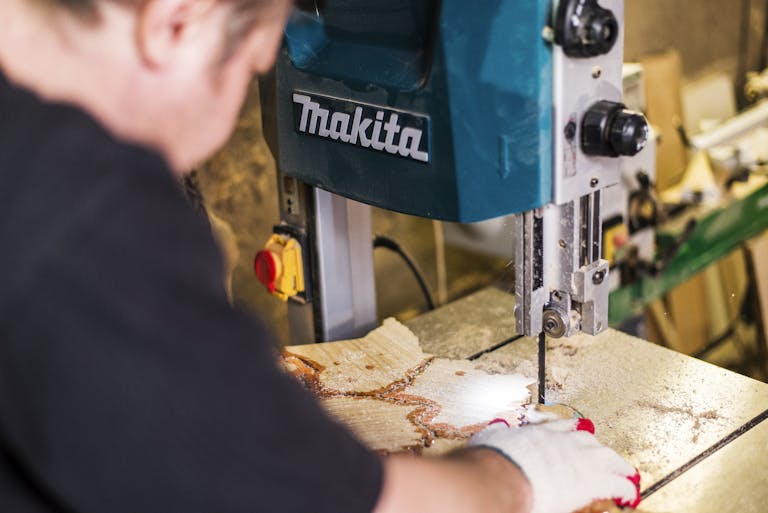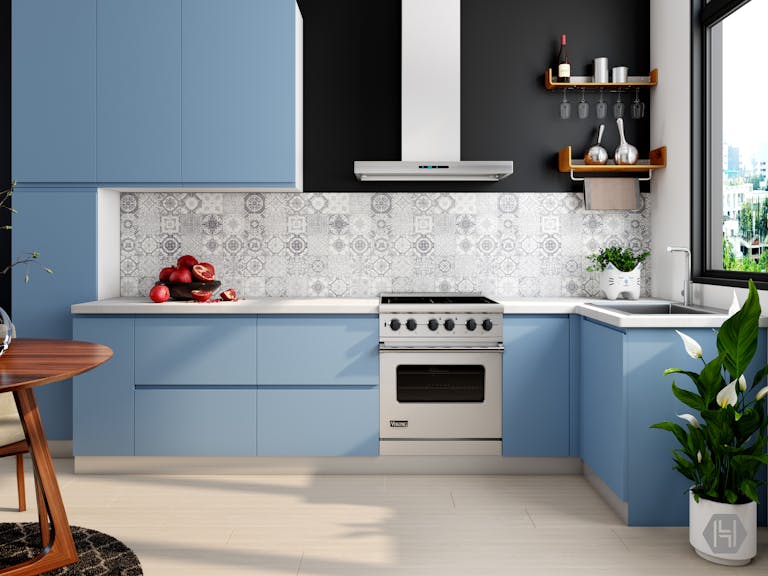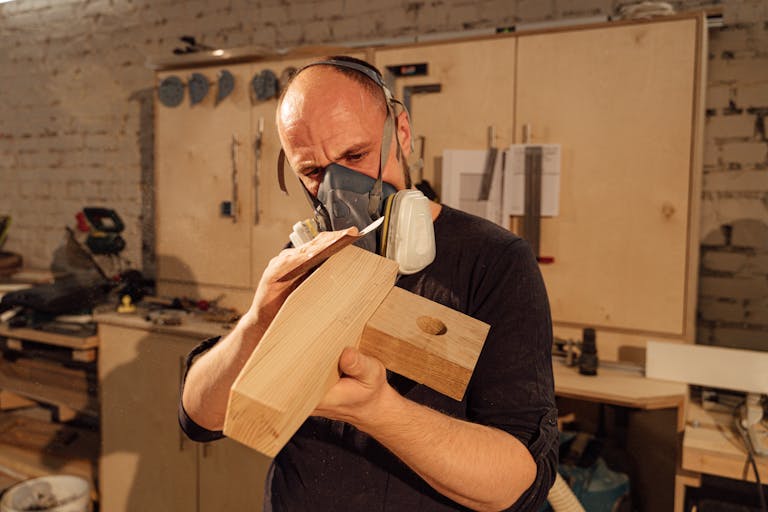

Custom cabinetry isn’t just about how it looks. The best projects are designed around how the space will be used every day. When function is ignored early on, even beautiful cabinetry can become frustrating over time.
Here’s how to plan cabinetry that works as well as it looks.
1. Start With Daily Habits, Not Pinterest Photos
Before talking about finishes or door styles, think about how you actually use the space.
Ask yourself:
- Who uses this space most often?
- How many people cook at the same time?
- Do you entertain frequently or cook solo?
- What items do you reach for every day?
Design should support habits, not force you to adapt to it.
2. Storage Should Match What You Own
A common mistake is designing storage generically.
Custom cabinetry allows you to plan for:
- Pots and pans you actually use
- Small appliances that live on the counter
- Pantry items by height and frequency
- Cleaning supplies and recycling systems
When storage is tailored, clutter naturally disappears.
3. Think in Zones, Not Cabinets
Functional spaces are built around zones, not just rows of cabinets.
Examples:
- Prep zone
- Cooking zone
- Coffee or beverage zone
- Storage and pantry zone
Designing around zones improves flow and reduces unnecessary movement, especially in kitchens and workspaces.
4. Plan for the Future, Not Just Today
Good cabinetry design anticipates change.
Consider:
- Growing families
- Aging-in-place needs
- Changing storage requirements
- Future appliance upgrades
Custom cabinetry allows flexibility that standard cabinets simply can’t offer.
5. Don’t Underestimate Hardware and Accessories
GoThe inside matters as much as the outside.
Well-planned interiors include:
- Soft-close hardware
- Full-extension drawers
- Pull-out organizers
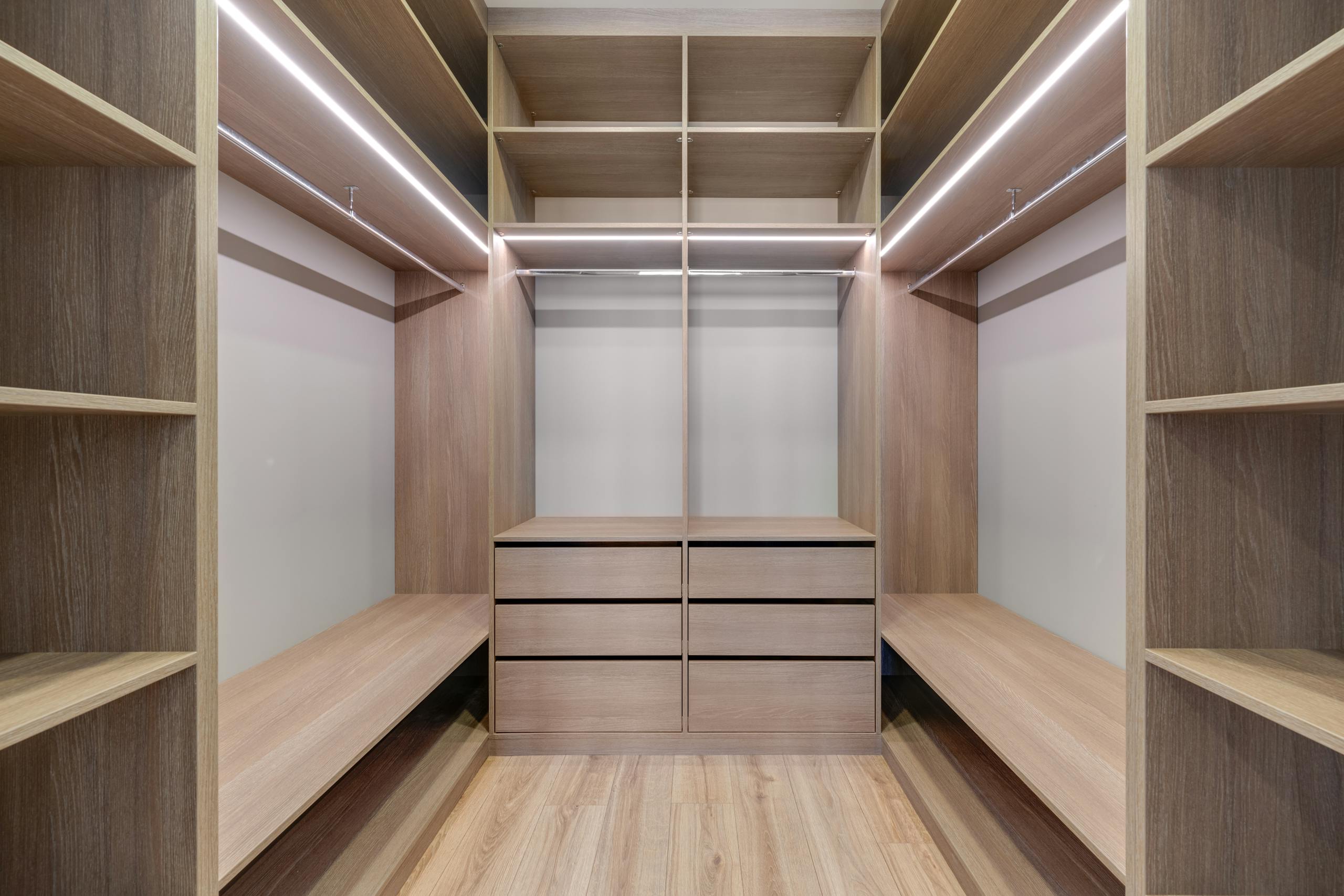
- Integrated lighting where needed
These details quietly improve daily use without drawing attention to themselves.
6. Installation Is Part of the Design
GoThEven the best design can fail with poor installation.
Cabinetry should be:
- Level and square
- Aligned with architectural features
- Installed with consistent reveals
- Finished cleanly at walls, ceilings, and floors
This is why design, fabrication, and installation working together matters.
Final Thoughts
Custom cabinetry should feel effortless to use. When design decisions are based on lifestyle, storage needs, and long-term planning, the result is a space that remains functional for years.
At Reve Design, every project is designed, fabricated, and installed in-house. This allows us to translate real-life needs into cabinetry that fits both the space and the people using it.