One of the most common questions we hear is:
“How long will it take?”
Custom cabinetry isn’t fast furniture. It’s a process, and when done right, time is not a drawback. It’s a quality control system.
Here’s what actually goes into the timeline and why each step matters.
1. Design Is Where Problems Are Solved
Lorem ipsum dolor sit amet, consectetur adipiscing elit, sed do eiusmod tempor incididRushing design is the most expensive mistake you can make.
This phase includes:
- Understanding the space and site conditions
- Finalizing layout and proportions
- Coordinating with appliances, plumbing, and electrical
- Confirming materials, finishes, and details
A well-developed design prevents on-site delays and rework later.

2. Shop Drawings Are Not a Formality
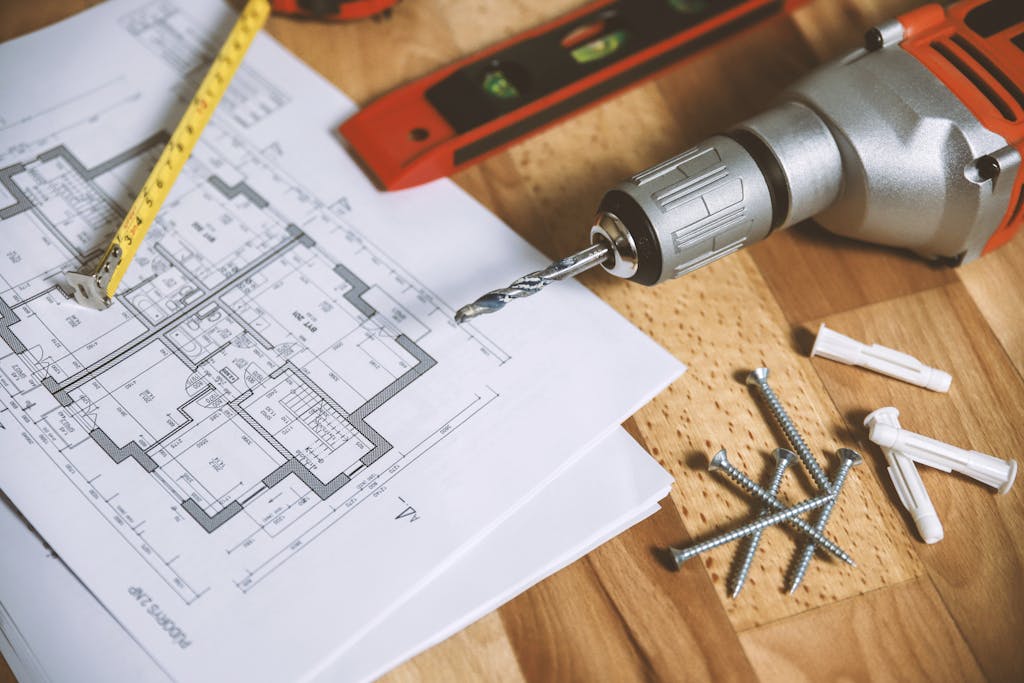
Shop drawings translate design into exact build instructions.
They define:
- Exact dimensions
- Panel breakdowns
- Hardware placement
- Clearances and tolerances
Skipping or rushing this step almost guarantees issues during fabrication or installation.
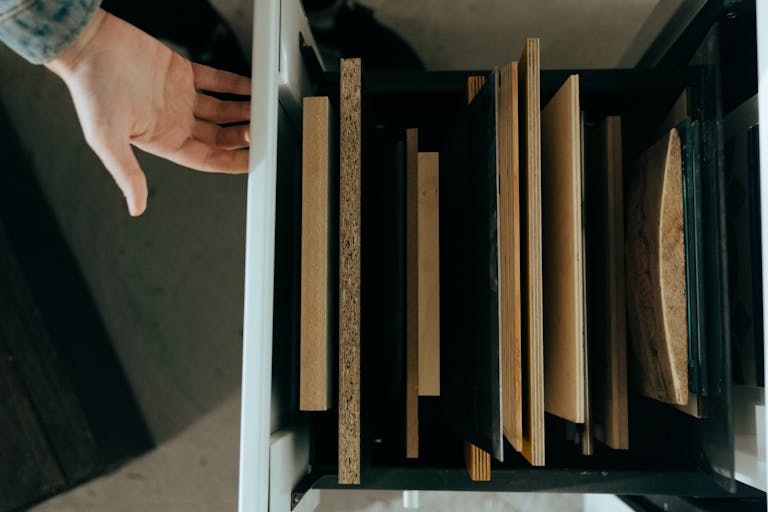
3. Material Selection and Lead Times Matter
SCustom projects rely on specific materials.
Lead times vary based on:
- Wood species and veneers
- Paint systems
- Specialty hardware
- Imported materials
Good planning accounts for this upfront instead of reacting later.
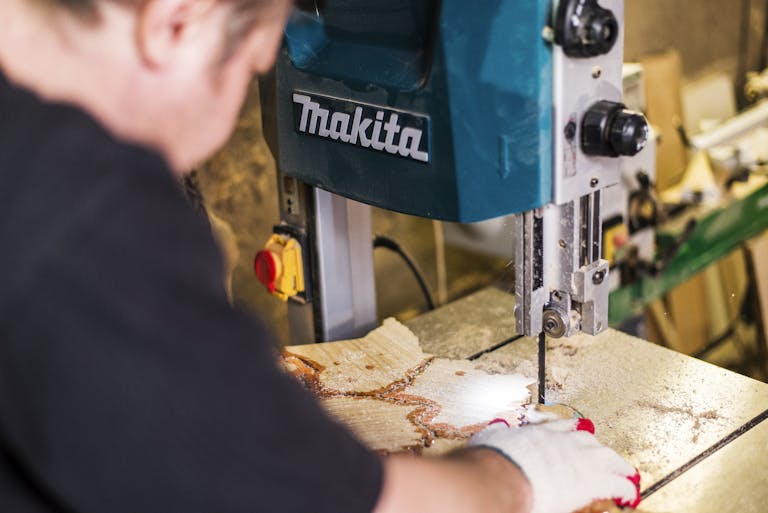
4. Fabrication Is Precision Work
Once fabrication starts, everything must be right.
This stage includes:
- CNC machining
- Edgebanding and assembly
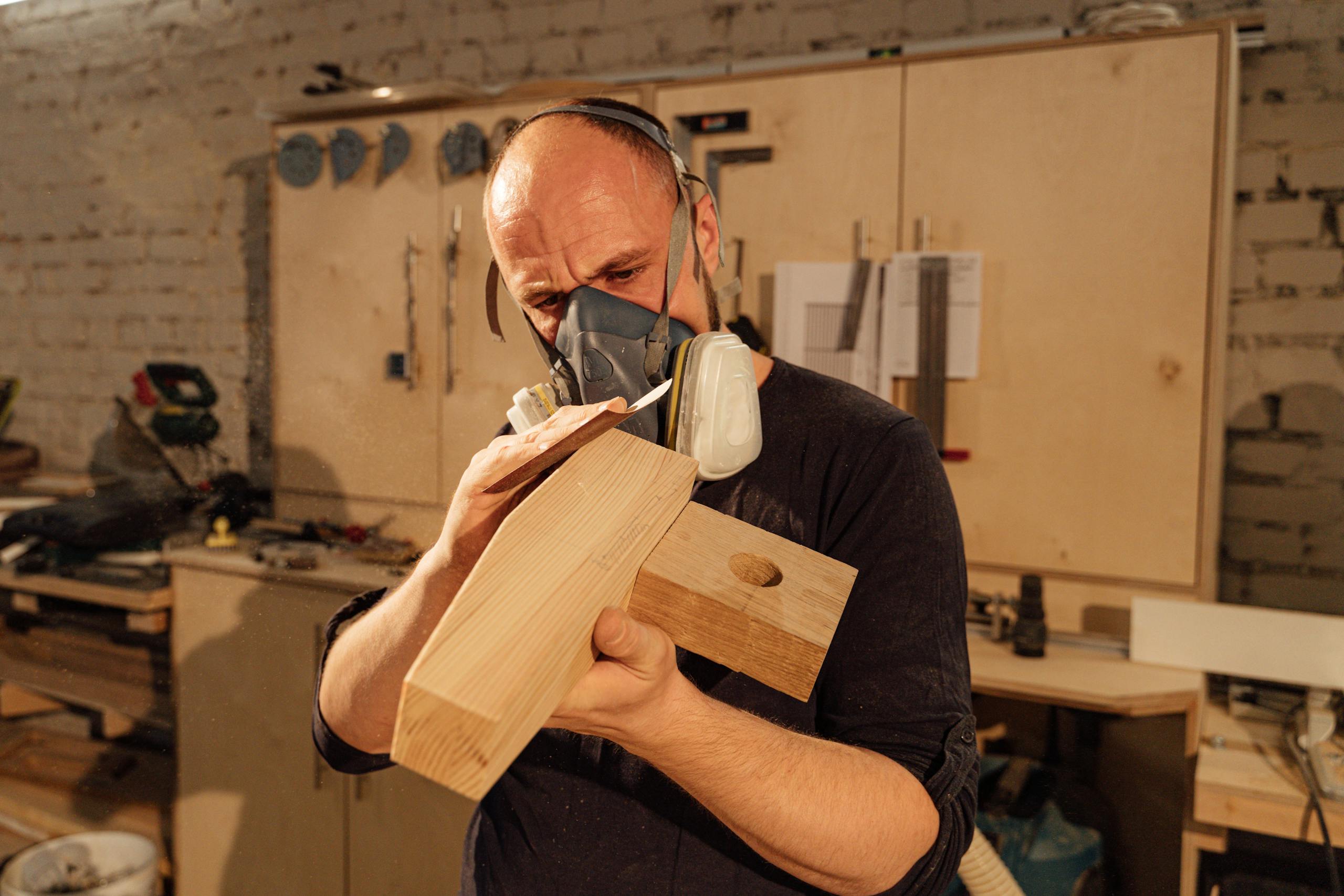
- Sanding and finishing
- Quality control checks
Unlike mass-produced cabinets, custom pieces are built specifically for one space. Accuracy matters at every step.
5. Installation Is the Final Test
SCusInstallation is where craftsmanship becomes visible.
A proper install requires:
- Leveling and alignment
- Clean reveals and transitions
- Seamless integration with walls, ceilings, and flooring
- Adjustments for real-world site conditions
Rushing installation usually shows. Clean work takes time.
6. Faster Is Not Always Better
Shortcuts often lead to:
- Poor fit
- Finish inconsistencies
- Long-term durability issues
- Costly fixes after install
A realistic timeline protects both the client and the builder.
Final Thoughts
ShoCustom cabinetry is an investment in function, durability, and design. The timeline exists to ensure the final result performs as intended, not just on install day, but years later.
At Reve Design, we control the full process in-house — from design to fabrication to installation — allowing us to maintain quality, consistency, and clear communication throughout the project.